
October marks Black History Month and this year’s theme, “Honouring Our Communities”, celebrates the people whose contributions strengthen our communities. It reminds us that community is built not only through visible leadership, but also through the countless acts of care, support and inclusion that often happen quietly in the background and are not always fully recognised. 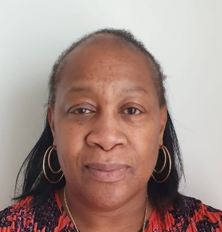
Browsing the Black History Month 2026 website one line particularly stands out to me: “Their work may not always be recorded, but it is felt- in relationships, in support systems, and in the spaces where people find belonging.”
And I immediately think of Jenny Richards, a public collaborator from Cornwall who has contributed to research projects and oversight committees for the NIHR Applied Research Collaboration (ARC) South West and other NIHR research infrastructures for a number of years, bringing in her lived and caring experience into mental health and cognitive health research. Through her involvement in research, she brings invaluable lived experience and insight, helping researchers better understand the realities of people’s lives and ensuring that research remains connected to the communities it aims to serve.
 Jenny is a Shared Lives carer and provider of Supportive Stays, opening her home and her life to adults with learning disabilities, autism, mental health problems, or dementia who need support and personalised care within a family environment. Her work helps people move from hospital settings back into their communities, while also providing support that can help prevent hospital admission in the first place. At the heart of this role is creating a safe, warm and welcoming environment where people can build confidence, develop skills and feel valued.
Jenny’s work, like that of other carers, often goes unseen. It happens day after day, through kindness, reassurance and practical support. Yet for the people receiving that care, and for their families, its impact can be life changing. What stands out most about Jenny, is the way she brings people together, and her warmth and generosity that is felt wherever she goes.
When reflecting on community, Jenny proudly talks about her two daughters and two grandchildren and the different ways they spread joy in their communities. She speaks about the charitable work of her d aughter Tiffany, who leads City Girl Hikes, a London based outdoor and walking community. Jenny highlights that for many Black and Brown communities, access to outdoor spaces has not always felt safe, accessible or welcoming. Historical patterns of settlement, experiences of racism and practical barriers have all influenced who feels able to enjoy the benefits of nature, walking and outdoor activity. In conversation with Jenny, she has spoken openly about her own experiences of racism and exclusion, and the lasting impact these experiences can have on wellbeing and mental health. She reflects on how repeated microaggressions and overt racism can create trauma that is often unseen by others, shaping how people move through and experience the world around them.
While Jenny feels progress is being made and more people are finding confidence in these spaces, she believes there is still more to understand about how outdoor environments can become welcoming and safe for ethnically diverse communities. It is an area that deserves greater attention, including through research, to better understand barriers, opportunities and the role that outdoor spaces can play in supporting health and wellbeing.
For me Jenny embodies this year’s theme in the way she supports those around her and demonstrates how we can connect to people through everyday acts of care and belonging.
Find out more
We believe that research has an important role to play in understanding and addressing these inequalities. Find out more about ARC South West's dedication to ensuring that everyone has the opportunity to contribute to, participate in and benefit from research.
Research Inclusion