Making a difference
Learn about how we’re changing health and social care, and improving lives.
How our research is making a difference

Supporting Women Experiencing Domestic Abuse Through Maternity Care
Domestic violence and abuse can have serious consequences for women and children, including during pregnancy. Yet for women experiencing abuse, accessing specialist support can be difficult. Pregnancy offers an important...

Shaping Maternal Mental Health Services Across England
Up to one in four women experience mental health difficulties during pregnancy or in the year after giving birth. For some women, existing services do not meet the specific needs...

Putting Young People at the Heart of Improving Mental Health
Young people’s mental health is a growing concern, but support systems are often designed to respond once problems have become serious. Kailo takes a different approach, looking beyond mental health...

Improving Access to Evidence-Based PTSD Treatment For Care-Experienced Young People
Young people who have experience of the care system are at much higher risk of experiencing mental health difficulties. Rates of post-traumatic stress disorder (PTSD) are around 12 times higher...

Bringing Health and Wellbeing Support into Cornwall’s Communities
People living in some of Cornwall’s most deprived communities can face significant barriers to accessing health and care services, despite often experiencing the greatest burden of ill health. The Community...
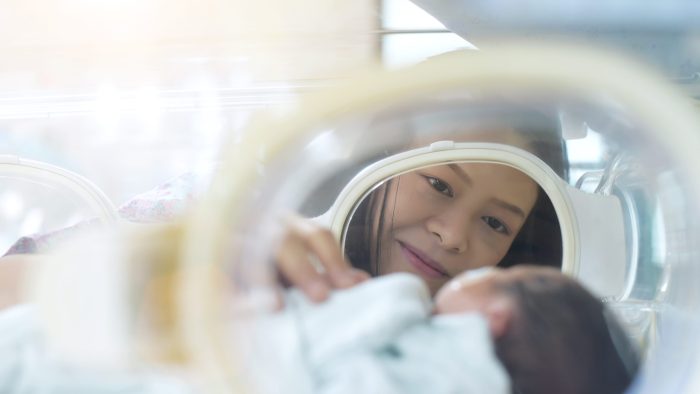
Helping Newborn Babies Get Home Sooner
When newborn babies are suspected of having an infection, they are routinely given intravenous (IV) antibiotics as a precaution. Around 10% of babies receive IV antibiotics after birth, but most...

Bringing Tranexamic Acid (TXA) Into Practice Safely, Quickly and Efficiently
The challenge In England and Wales there are approximate 16,000 trauma deaths a year. In over half the cause is bleeding. For patients with major trauma, the first few hours...

Supporting Net Zero in Healthcare Through Evidence Mapping
The Issue Healthcare plays a vital role in improving population wellbeing – but it also carries a considerable environmental cost. Globally, healthcare services account for between 1–5% of total environmental...

Transforming Children’s Oral Health: The BRUSH Programme’s Impact
The problem Tooth decay remains the most common reason for hospital admissions among young children in England, with 33,000 cases annually at a cost to the NHS of over £50...
How Data Modelling and AI Are Changing International Stroke Care
The issue Thanks to treatments like clot-busting drugs (thrombolysis) or the mechanical removal of clots (called thrombectomy), patient risk of disability and death following a stroke can be significantly reduced....
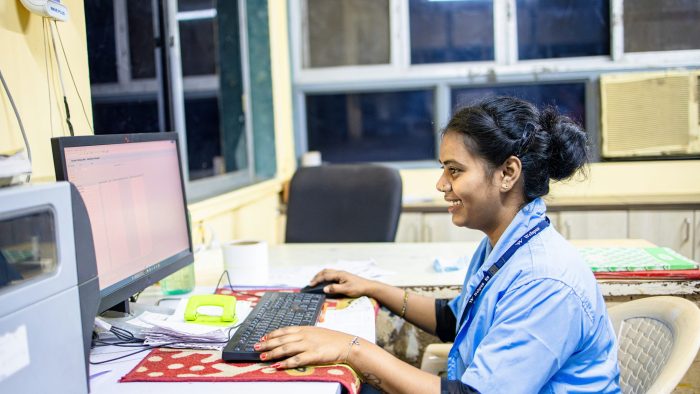
Empowering Healthcare Professionals to Tackle Service Problems Using Data
What is HSMA? Our Health Service Modelling Associates (HSMA) programme offers the chance for NHS and social care staff across England to develop modelling and data science techniques to tackle...

Shaping International Policy and Transforming Health Through Community-Based Support
Issues like loneliness, stress and debt are all associated with increased mental health difficulties and physical symptoms leading to use of health and care services which are often poorly equipped...
Preventing Incontinence Through Midwife-Led Training Revolution
Up to five million women in the UK leak urine. This impacts their physical, mental and social wellbeing. It results in significant costs to women, health services, society and the...